Business Intelligence Tools
5 Business Intelligence Tools : A Complete Overview
In today’s data-driven economy, companies rely heavily on Business Intelligence Tools to make informed decisions, track performance, and gain a competitive edge. These tools collect, process, and analyze large volumes of data, transforming raw information into actionable insights.
Whether you are a startup, SME, or enterprise-level organization, investing in the right Business Intelligence Tools can significantly improve efficiency, forecasting accuracy, and strategic planning. Below are five essential tools you should consider.
1. CredHive
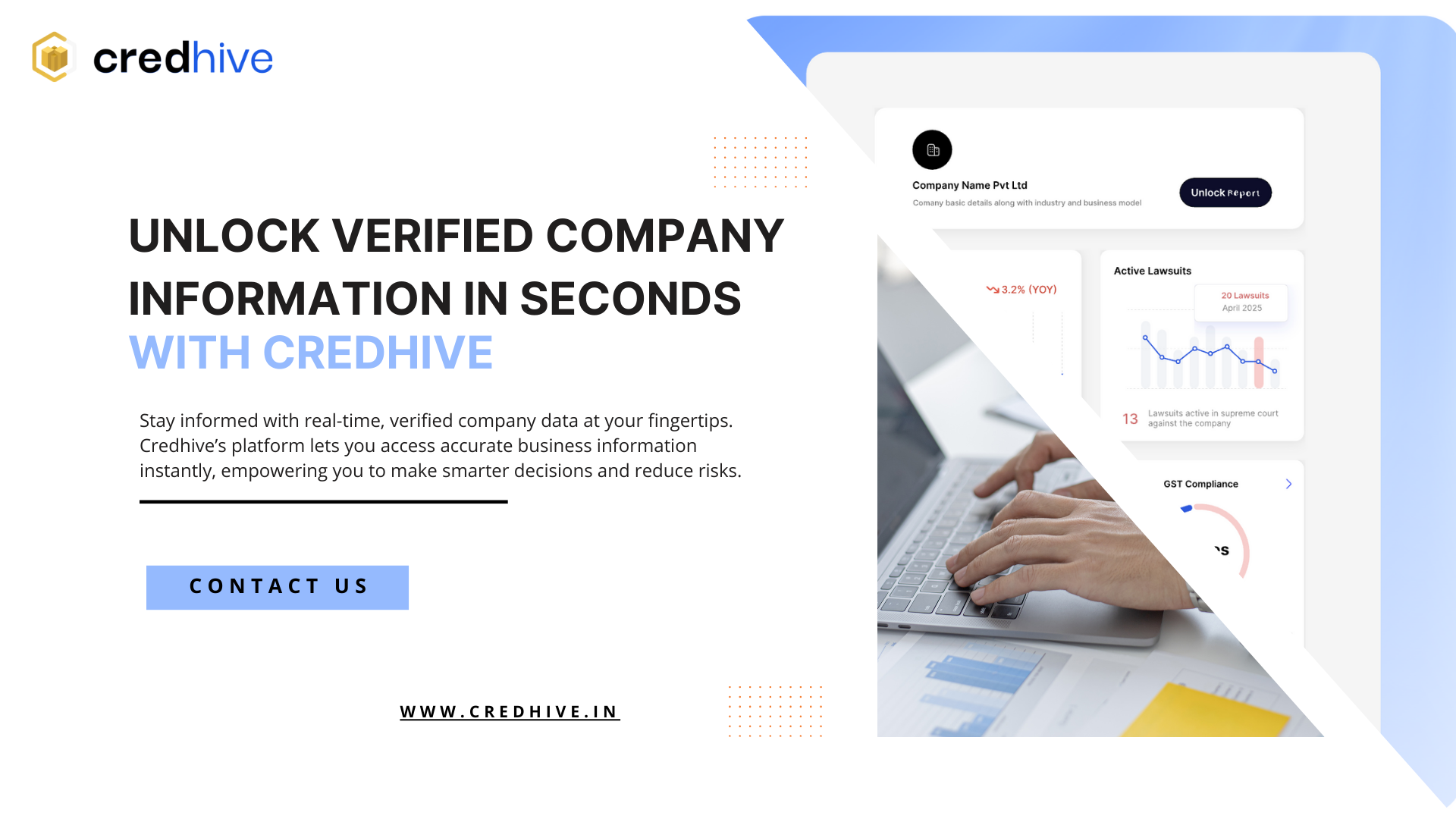
CredHive is an emerging name among Business Intelligence Tools, offering powerful data-driven insights for businesses. It specializes in delivering structured business data, credit insights, and analytics that support risk assessment and strategic growth.
Key features include:
- Comprehensive business data reports
- Credit risk evaluation tools
- Real-time data insights
- Advanced analytics dashboards
CredHive is particularly useful for financial institutions, B2B companies and director details like : krishnareddy anumula, and enterprises seeking reliable company intelligence to enhance decision-making.
2. Microsoft Power BI
Microsoft Power BI is one of the most widely used Business Intelligence Tools globally. It allows organizations to visualize data through interactive dashboards and reports.
Key benefits:
- Easy integration with Microsoft products
- Drag-and-drop dashboard creation
- Real-time data updates
- AI-powered analytics
Power BI is ideal for businesses looking to simplify complex data and share insights across teams.
3. Tableau
Tableau is known for its advanced data visualization capabilities. It helps users transform data into visually appealing charts, graphs, and dashboards.
Why choose Tableau?
- User-friendly interface
- Powerful visualization features
- Strong community support
- Seamless cloud integration
As one of the leading Business Intelligence Tools, Tableau is widely adopted by enterprises that need in-depth data exploration and reporting.
4. SAP BusinessObjects
SAP BusinessObjects is a comprehensive BI suite designed for enterprise-level analytics. It provides reporting, predictive analysis, and data integration capabilities.
Key features include:
- Enterprise reporting
- Data warehousing
- Predictive analytics
- Secure data sharing
This tool is particularly effective for large organizations handling massive datasets across departments.
5. Qlik Sense
Qlik Sense offers self-service analytics and interactive dashboards that empower users to explore data independently.
Benefits include:
- AI-driven insights
- Drag-and-drop dashboard building
- Data storytelling capabilities
- Cloud and on-premise deployment options
Qlik Sense is one of the most flexible Business Intelligence Tools for businesses aiming to democratize data access across teams.
Why Business Intelligence Tools Matter
Modern organizations generate massive amounts of data daily. Without proper analysis, this data remains unused. Business Intelligence Tools help by:
- Improving operational efficiency
- Supporting data-driven decision-making
- Identifying growth opportunities
- Enhancing risk management
- Monitoring key performance indicators (KPIs)
By leveraging these tools, companies can stay ahead in competitive markets.
How to Choose the Right Business Intelligence Tool
When selecting among Business Intelligence Tools, consider:
- Your business size and industry
- Integration requirements
- Budget and scalability
- Data security standards
Ease of use for non-technical teams
Choosing the right platform ensures maximum return on investment and long-term value.
Conclusion
Investing in the right Business Intelligence Tool is no longer optional—it is a strategic necessity. From business intelligence insights to powerful visualization platforms like Power BI and Tableau, each tool offers unique capabilities that support smarter business decisions.
By selecting tools that align with your goals and operational needs, you can transform raw data into meaningful insights that drive growth and innovation.